


How Smart Building Design Turns Daylight into a Productivity Advantage
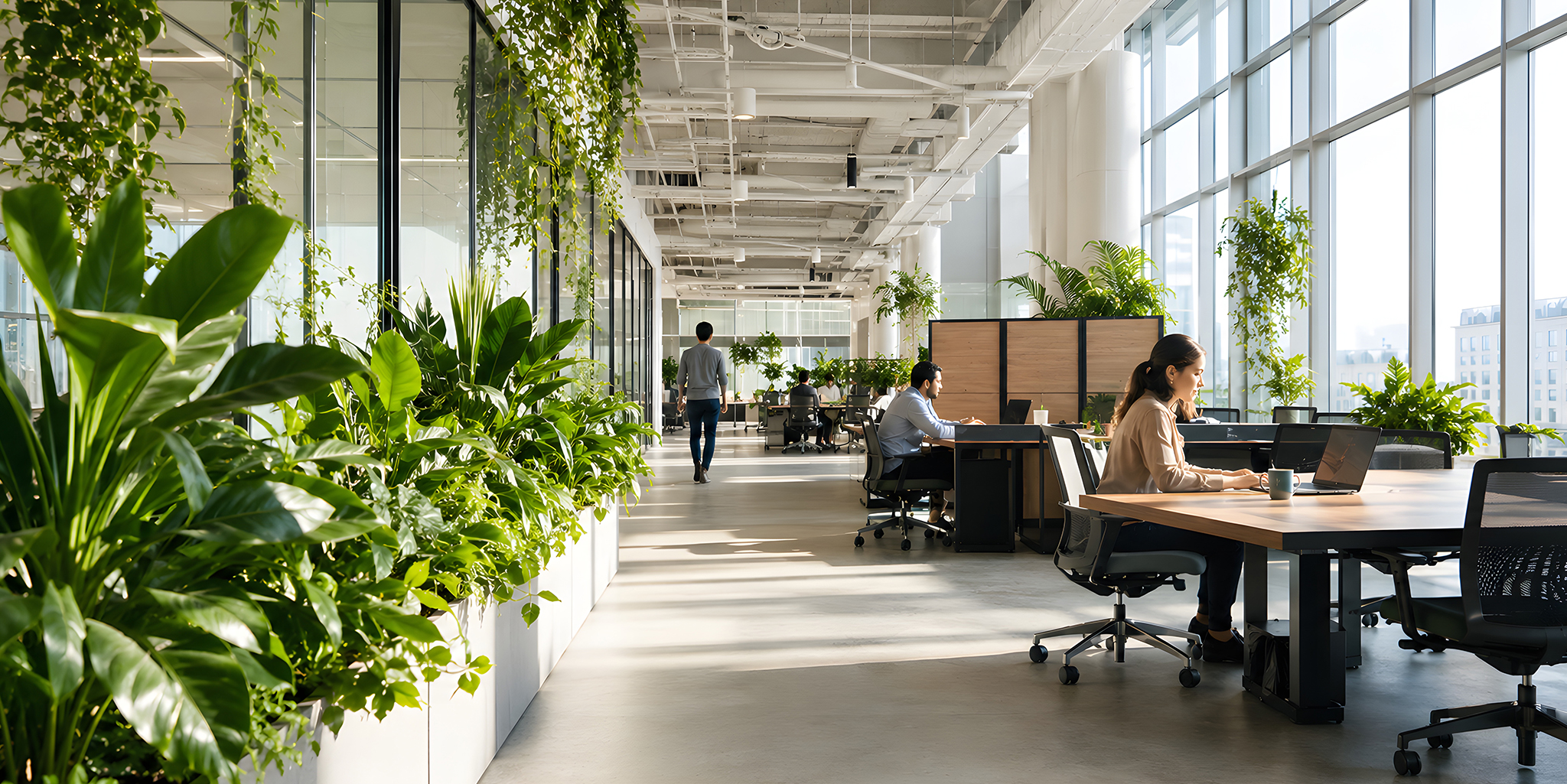
When people think about building performance, they often focus on energy systems, technologies and operational efficiency. Yet one of the most powerful influences on how occupants experience a building comes from something far simpler: natural daylight.
Its impact extends well beyond reducing the need for artificial lighting. Well-designed daylighting can influence productivity, concentration, comfort and wellbeing, making it an important consideration for organisations seeking healthier, higher-performing spaces.
Despite this, daylight is often treated as an architectural feature rather than a performance strategy. The way a building captures, controls and distributes natural light can influence everything from workplace experience and occupant satisfaction to energy use and operational outcomes.
Why daylight matters more than we think in building design
Most people instinctively prefer naturally lit spaces. They feel more comfortable, calm and connected to the outside environment.
Natural daylight helps regulate the body’s circadian rhythm, the internal clock that influences alertness, sleep patterns and mood. Access to natural light during the day supports this cycle, helping occupants remain focused and energised while reducing feelings of fatigue.
Spaces with access to natural light often feel more open and pleasant, contributing to a better occupant experience.
For organisations focused on workplace wellbeing and employee experience, these factors matter. The quality of a workplace is shaped as much by how people feel throughout the day as by its amenities and technology.
The connection between daylight and performance
The benefits of daylight go beyond personal preference. Access to windows and outdoor views has been linked with measurable improvements in workplace performance.
In some workplace studies, employees with the best outdoor views processed tasks 6% to 12% faster than those without a view, while workers with access to the best views performed 10% to 25% better on tests of mental function and memory recall.
Retail environments show a similar pattern, with daylit stores often associated with stronger sales performance, though outcomes vary by context.
While daylight alone cannot solve every workplace challenge, it contributes to an environment that supports concentration and sustained productivity. For organisations looking to improve workplace performance, that represents a significant opportunity.
The challenge: balancing daylight, comfort and performance
Good daylighting is not about bringing as much sunlight into a building as possible. Excessive sunlight can create as many challenges as it solves.
Without proper planning, daylight can lead to glare, overheating and visual discomfort. Effective daylight design therefore focuses on achieving the right balance.
Building orientation, window placement, glazing specifications and façade design all influence how daylight enters a space. Skylights and other daylighting solutions can help introduce natural light into areas that are further away from the building facade.
Even the best daylighting strategy can fall short without careful interior planning. Partitions, furniture and finishes all influence how daylight is distributed and experienced throughout a building.
The most successful daylighting strategies consider these factors as part of an integrated design approach rather than as isolated decisions.
Why a bright space can still be a poorly designed one
One of the most common misconceptions about daylighting is that a bright space automatically delivers good daylight performance.
In reality, daylight quality depends on factors such as distribution, consistency, visual comfort and solar exposure. Two rooms may receive similar amounts of daylight while offering very different experiences for occupants.
This is why daylight performance cannot be judged by sight alone. Design teams increasingly rely on daylight modelling and on-site measurements to evaluate how a building will perform under real conditions. These assessments help identify excessive glare, insufficient daylight or unwanted solar heat gain before construction is completed.
Compliance with recognised standards and green building rating systems further helps ensure that daylight strategies deliver meaningful outcomes rather than relying on assumptions.
How daylight and sustainability go hand in hand
As organisations pursue sustainability goals, daylight can contribute in more ways than one.
Well-designed daylighting reduces dependence on artificial lighting during occupied hours, helping lower energy consumption. Combined with effective controls and energy-efficient building design, it can form an important part of a broader sustainability strategy.
At the same time, buildings are designed for people, and their long-term success depends on how effectively they support health, comfort and productivity.
The combination of environmental and human benefits makes daylight a powerful design tool.
Turning daylight into a productivity tool
Daylight is not simply something a building either has or does not have. High-performing daylight environments are the result of deliberate design decisions that can enhance wellbeing, improve productivity, increase visual comfort and reduce reliance on artificial lighting. Their impact is felt every day by occupants while also supporting broader operational and sustainability objectives.
At Ecofirst, we see daylight as more than an architectural feature. It is a design variable that influences energy use, occupant experience and long-term building performance. Through an integrated approach that brings together sustainability consultants, architects, facade specialists, building performance experts and interior designers, we help project teams optimise daylight as part of a broader building performance strategy.
As expectations around workplace experience and sustainability continue to evolve, daylight is proving to be far more than a source of illumination. When considered early and holistically, it becomes a powerful tool for creating buildings that perform better for both people and the environment.


