


Preserving the Past, Designing for the Future: The Role of Sustainable Integrated Design in Heritage Retrofits
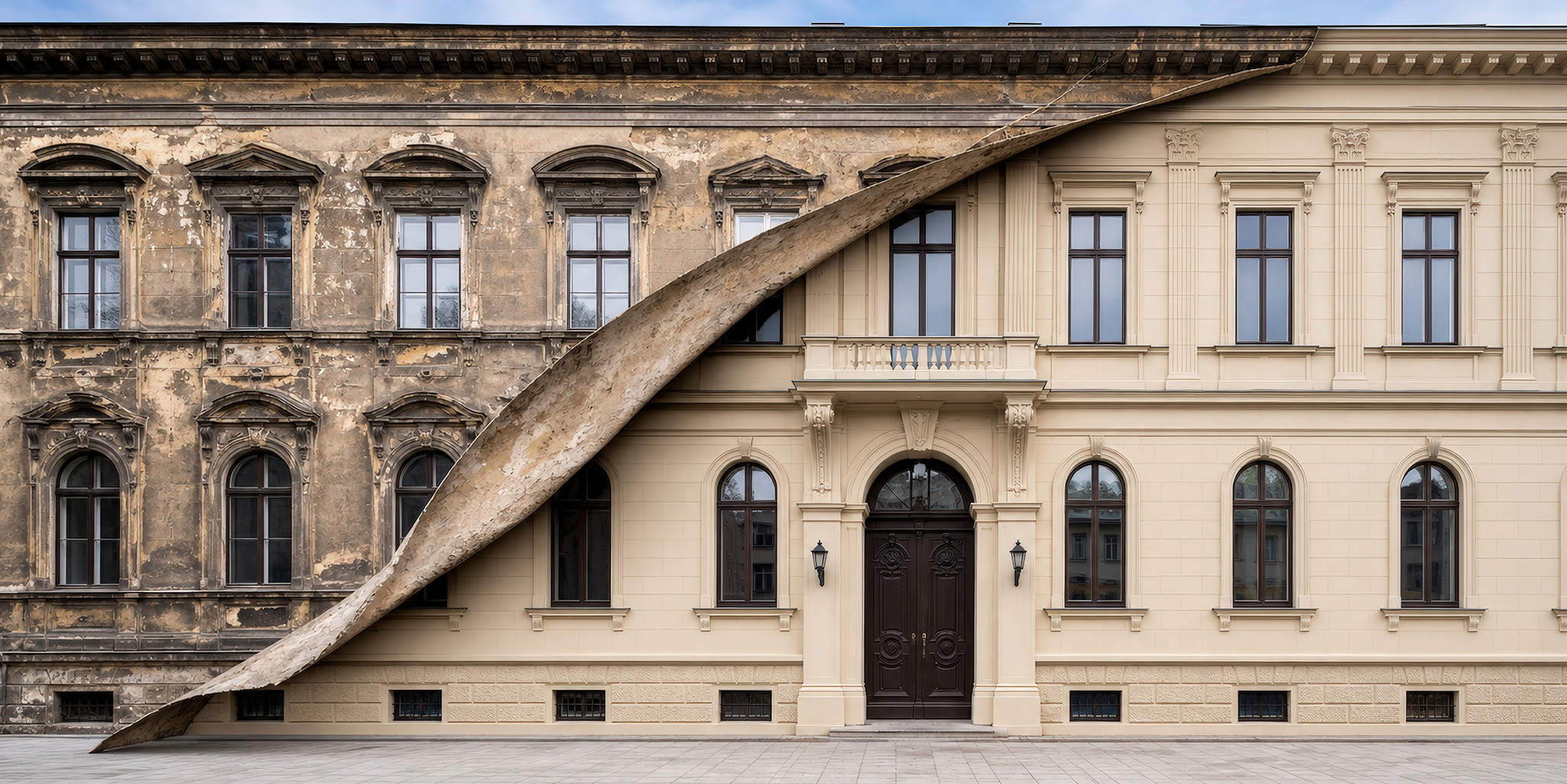
Every upgrade to a heritage building raises a difficult question: how can performance be improved without compromising the character that makes the building worth preserving?
Historic buildings are more than physical structures. They reflect cultural identity, architectural craftsmanship, and the stories of the communities they serve. Yet as expectations around energy efficiency, occupant comfort, climate resilience, and environmental performance continue to evolve, many heritage assets face increasing pressure to adapt.
The answer lies not in choosing between conservation and sustainability, but in pursuing both together. Sustainable Integrated Design (SID) offers a framework for improving building performance while respecting the architectural and historical value that makes heritage buildings significant in the first place.
Understanding the unique challenge of heritage retrofits
Unlike new developments, heritage buildings were not designed to meet today’s performance standards. Ageing systems, inefficient energy use, changing occupancy requirements, and evolving regulatory expectations can create pressure for upgrades.
However, interventions in heritage buildings often require careful consideration. Significant changes to the building envelope, materials, or architectural features may affect the very qualities that define its heritage value.
The challenge is not simply to improve performance. It is to do so in a way that respects and preserves the building’s identity.
Why integrated design matters
Building performance is influenced by multiple interconnected factors, including energy use, thermal comfort, lighting, ventilation, materials, operations, and maintenance.
When these elements are addressed independently, opportunities for optimisation can be missed. Improvements in one area may unintentionally create challenges in another.
Sustainable Integrated Design takes a different approach.
By considering various building systems and project objectives together, SID helps teams identify solutions that balance preservation, performance, cost, and occupant needs. It encourages collaboration between architects, engineers, sustainability consultants, and stakeholders from the earliest stages of a project, allowing for more informed and effective decision-making.
Finding opportunities within existing buildings
Every heritage building presents a unique set of opportunities and constraints.
Whether adapting a historic institutional facility, commercial building, cultural asset, or public space, retrofit strategies must respond to the building’s specific characteristics while supporting contemporary performance expectations.
Performance improvements may include:
- Enhancing glazing performance while maintaining architectural character
- Upgrading lighting systems to improve efficiency and user experience
- Optimising HVAC systems to reduce energy demand and improve thermal comfort
- Integrating renewable energy solutions where appropriate
- Improving operational strategies and controls to support long-term efficiency
The objective is not to transform the building into something entirely new. Instead, it is to unlock better performance while preserving the qualities that make the building culturally and architecturally significant.
Balancing conservation and sustainability
Heritage conservation and sustainability are often viewed as competing priorities. In reality, they share a common goal: extending the life and value of existing assets.
Retrofitting and improving existing buildings can reduce the need for extensive demolition and reconstruction, while preserving the cultural and architectural qualities that contribute to a city’s identity.
An integrated approach helps ensure that sustainability measures support, rather than undermine, conservation objectives.
When design decisions consider both perspectives simultaneously, projects can achieve meaningful environmental improvements while maintaining historical integrity.
Looking beyond energy savings
While energy efficiency is often a key driver for retrofits, the benefits of Sustainable Integrated Design extend much further.
A well-executed heritage retrofit can contribute to:
- Improved occupant comfort while respecting historic architectural features
- Reduced operational costs through more efficient building systems
- Enhanced building performance without compromising heritage significance
- Increased resilience, adaptability, and asset longevity
- Better alignment with environmental and sustainability objectives
- Preservation of architectural, cultural, and community value
These outcomes demonstrate that successful retrofits are not solely about reducing consumption. They are about enabling heritage buildings to continue serving future generations while retaining the qualities that connect them to the past.
Designing for long-term value
Heritage buildings represent significant social, cultural, and economic value. Protecting that value requires more than preservation alone. It requires thoughtful adaptation.
Sustainable Integrated Design provides a pathway for heritage buildings to remain relevant, efficient, and resilient in a changing world. By considering performance, occupant needs, resource efficiency, and conservation requirements together, project teams can make informed decisions that support both sustainability and heritage objectives.
Successful heritage retrofits require collaboration across sustainability, engineering, building performance, and conservation disciplines. At Ecofirst, we bring these perspectives together through our Sustainable Integrated Design approach, helping clients identify opportunities to enhance building performance while respecting architectural character and heritage significance. The result is a balanced retrofit strategy that preserves the past while preparing buildings for the future.


