


The Human Factor in Sustainable Buildings: How Occupant Behaviour Shapes Energy Efficiency, Comfort and Sustainability Outcomes
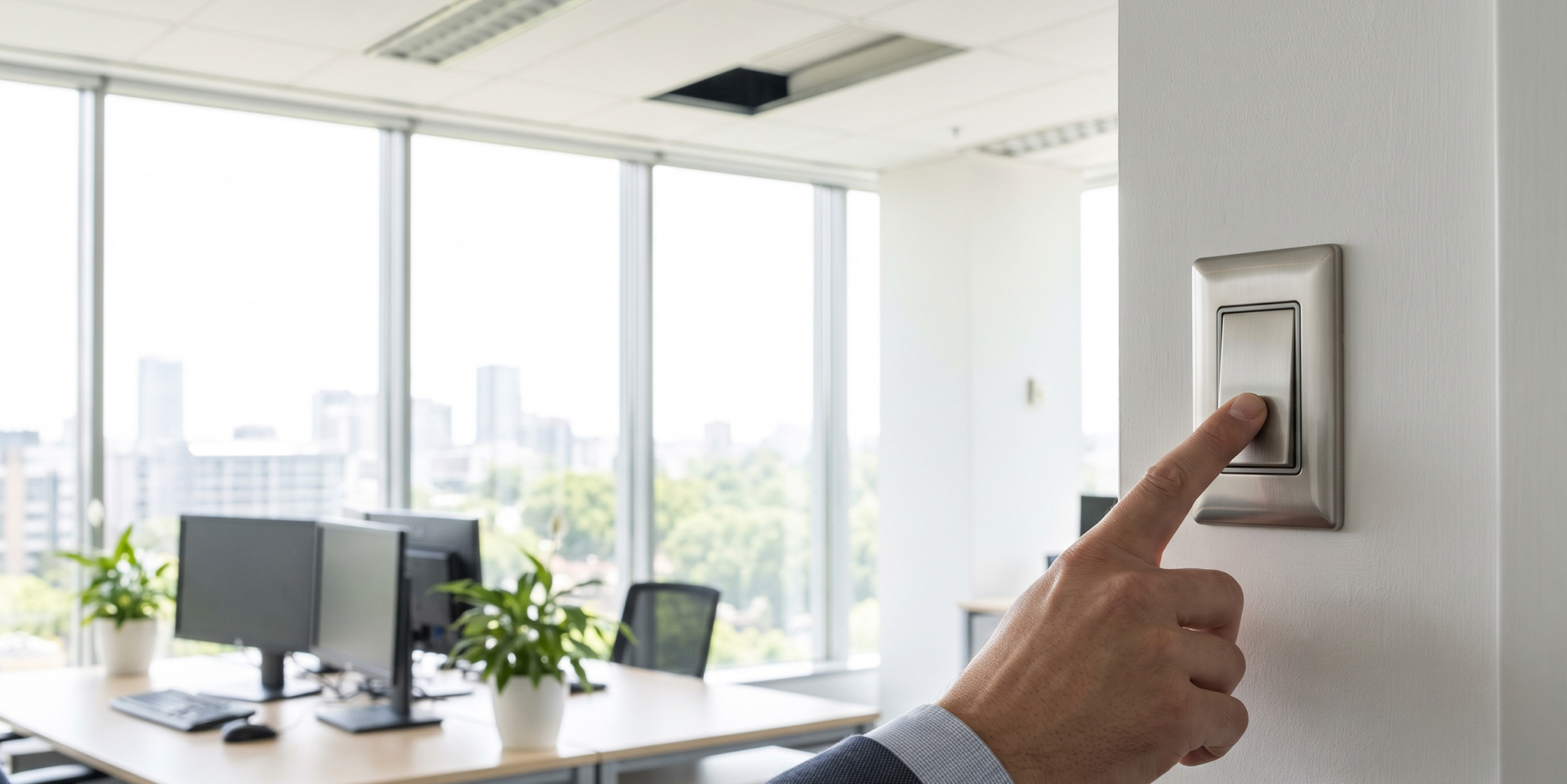
A sustainable building can have the best technology, the smartest design strategies and the highest green ratings. Yet its long-term performance often depends on something far more influential: the people who use it.
Occupants influence how a building consumes energy, uses water and ultimately delivers on its sustainability goals. However, the people who use buildings every day are rarely considered active participants in achieving those goals.
In a country where buildings account for nearly 35% of total energy consumption, the way occupants interact with a building can have an impact that extends far beyond the building itself. Occupant behaviour influences whether sustainability strategies deliver their intended outcomes or remain good ideas on a drawing board.
Where good design stops and human behaviour begins
Sustainable buildings are designed with a clear purpose and that is to reduce environmental impact while using resources more efficiently. To achieve this, architects, engineers, sustainability consultants and other stakeholders work together from the outset to integrate strategies such as daylighting, shading and heat gain control.
What is often missing from these discussions is the occupant.
The people who will spend eight or more hours each day inside the building are rarely treated as active participants in its sustainability journey. Yet they are the ones switching on lights, adjusting thermostats, using water, charging devices and deciding whether equipment stays powered on when not in use.
This gap matters more than many realise. Not every sustainable building performs as effectively in operation as it did during design simulations. A common reason is that occupant behaviour is not adequately considered during either the design phase or the post-occupancy optimisation phase. A building can be designed for efficiency, but efficiency on paper and efficiency in everyday use are not always the same thing.
Why occupants make or break building performance
Energy and water consumption within a building are shaped by more than its systems and technologies. They are also influenced by the daily decisions made by the people using those systems.
Behaviour is driven by a combination of external factors, such as environmental conditions and organisational policies, and internal factors, such as awareness, habits and personal motivation. These factors ultimately influence actions, which in turn affect a building’s energy and water performance.
The challenge is that behaviour change does not happen automatically. Even when occupants understand the benefits of sustainable practices, long-term habits can be difficult to change.
This is why sustainable buildings need to go beyond efficient design. They should also include strategies that encourage occupants to actively participate in sustainability goals from the outset.
Designing for behaviour: passive and active engagement strategies
The most effective occupant engagement programmes do not rely on a single intervention. Instead, they combine subtle reminders with more direct forms of participation. Passive measures build awareness with minimal effort from occupants, while active measures encourage people to understand, track and improve their own environmental impact.
Passive instructions
Passive strategies work quietly in the background and do not require occupants to actively interact with a system.
These measures can include:
- Graphical posters explaining how green building features work and the benefits they deliver.
- Signage encouraging occupants to switch off lights, save water and recycle waste.
- Comparative real-time monitoring that displays energy consumption across different groups or departments.
- Regular emails sharing simple actions, such as using waste bins correctly, turning off lights, switching off computers and putting monitors into sleep mode during breaks.
These simple interventions can help keep sustainability visible in day-to-day activities.
Active instructions
Active strategies encourage greater engagement and participation from occupants.
Examples include:
- Eco-feedback, which provides information about current and historical energy and water consumption.
- Comparative eco-feedback, where occupants can compare their usage with peers or neighbouring groups.
- Gamification, where building occupants participate in sustainability-focused challenges and earn rewards for adopting desired behaviours.
These approaches are effective because they help occupants understand the impact of their actions. When people can see their performance and receive recognition for positive behaviour, they are often more motivated to make lasting changes.
What occupant-centric buildings achieve
Buildings that successfully integrate occupant-focused sustainability strategies have reported measurable improvements in comfort and user experience.
Reported outcomes include:
- 56.4% improvement in visual comfort
- 42.2% improvement in acoustical comfort
- 4.8% improvement in thermal comfort
- 91.6% of employees reporting improved health due to better indoor air quality
These are more than performance metrics. They represent workplaces that people genuinely experience as healthier, more comfortable and more enjoyable to work in.
Why sustainable buildings should be designed around people, not just performance
Occupant engagement is often treated as something that can be addressed after a building becomes operational. However, the timing of these interventions is critical. The greatest gains in building performance come when occupant behaviour is considered during the design stage itself. By integrating engagement strategies alongside energy, water and sustainability measures, project teams can create buildings that perform more effectively throughout their post-occupancy life cycle.
Performance metrics for energy, water, waste and carbon should be embedded into the design process from the beginning. This allows sustainability goals to remain relevant throughout the building’s operational life, when occupants are actively influencing outcomes every day.
At Ecofirst, this approach is embedded within our Sustainable Integrated Design (SID) offering. By incorporating performance metrics for energy, water, waste and carbon during the early stages of design, we help clients create buildings that continue to deliver value long after occupancy begins.
A sustainable building is never just a well-designed structure. Its long-term success depends on how effectively people engage with the systems and strategies built into it. The most efficient building in the world will struggle to deliver its intended performance if its occupants are disconnected from its purpose.
True sustainability emerges when thoughtful design and conscious behaviour work together. And that is a distinction worth designing for from day one.


